

Why Your AC Isn’t Cooling: 5 Fixes for 2026 | D's Air & Heating
Your AC is not cooling because of a restricted air filter, frozen evaporator coils, low refrigerant levels, a malfunctioning compressor, or incorrect thermostat settings. These issues disrupt the heat exchange process, preventing the system from removing heat from your indoor air and circulating chilled air throughout your home.
Why is my AC not cooling the house?
As a first-time homeowner, few things are as frustrating as turning on your air conditioning on a humid Chicago day and realizing the air coming out of the vents is lukewarm. Understanding why your AC is not cooling requires a basic grasp of the refrigeration cycle. Your air conditioner doesn't actually "create" coldness; rather, it removes heat from the interior of your home and transfers it outside.
When this cycle is interrupted, the system continues to run but fails to lower the temperature. This is often the result of poor maintenance or mechanical wear. At D’s Air & Heating , we frequently see systems that have been pushed to their limit during peak summer months without proper seasonal tuning.
The Role of Airflow in Cooling
Airflow is the lifeblood of your HVAC system. For the cooling process to work, your blower motor must pull warm indoor air over the cold evaporator coils. If anything obstructs this path—like a clogged filter or blocked return vents—the heat exchange cannot occur. This leads to a cycle where the unit works harder, uses more electricity, and fails to deliver the comfort you expect.
Understanding the Central Air Conditioning Process
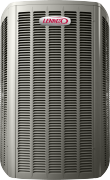
Before diving into the specific causes of failure, it is helpful to identify the two main components of your central air system: the indoor unit (evaporator) and the outdoor unit (condenser).
- The Evaporator Coil: Located inside your home, usually above the furnace, this coil holds cold refrigerant that absorbs heat from your indoor air.
- The Condenser Unit: This is the large box outside. It contains the compressor and coils that release the captured heat into the outdoor air.
- The Refrigerant: The chemical medium that travels between these two units, changing states from liquid to gas to move heat.
- The Expansion Valve: Regulates the flow of refrigerant into the evaporator.
- The Thermostat: The brain of the operation that signals the system when to start and stop based on temperature readings.
When you understand these parts, you can better communicate with a technician during an air conditioner repair call in Chicago.
5 Reasons Your Air Conditioner Isn't Blowing Cold Air
There are dozens of technical glitches that can occur, but the vast majority of "not cooling" complaints stem from these five primary categories. Identifying which one fits your situation is the first step toward restoration.
1. Extremely Clogged Air Filters
This is the most common reason an AC is not cooling and, fortunately, the easiest to fix. A dirty filter blocks airflow, which means not enough warm air is reaching the evaporator coils. This can cause the coils to get too cold and eventually freeze over, further blocking air and potentially damaging the compressor.
2. Frozen or Dirty Evaporator Coils
If you see ice on the copper lines leading to your indoor unit, your coils are frozen. This usually happens because of low airflow (dirty filters) or low refrigerant. Dirty coils—covered in dust, pet hair, or dander—act as an insulator, preventing the refrigerant inside from absorbing the heat from your home effectively.
3. Low Refrigerant Levels
Refrigerant is not a fuel that gets "used up." If your system is low on refrigerant, you have a leak. Common signs include a hissing or bubbling noise near the unit and a significant decrease in cooling capacity. Handling refrigerant requires specialized licensing and tools, making this a job strictly for professionals.
4. Malfunctioning Outdoor Condenser
If the outdoor unit is caked in mud, grass clippings, or cottonwood seeds (common in Chicago), it cannot release the heat it absorbed from your home. Additionally, the fan in the outdoor unit or the compressor itself may have failed due to an electrical issue or mechanical age.
5. Thermostat Calibration and Settings
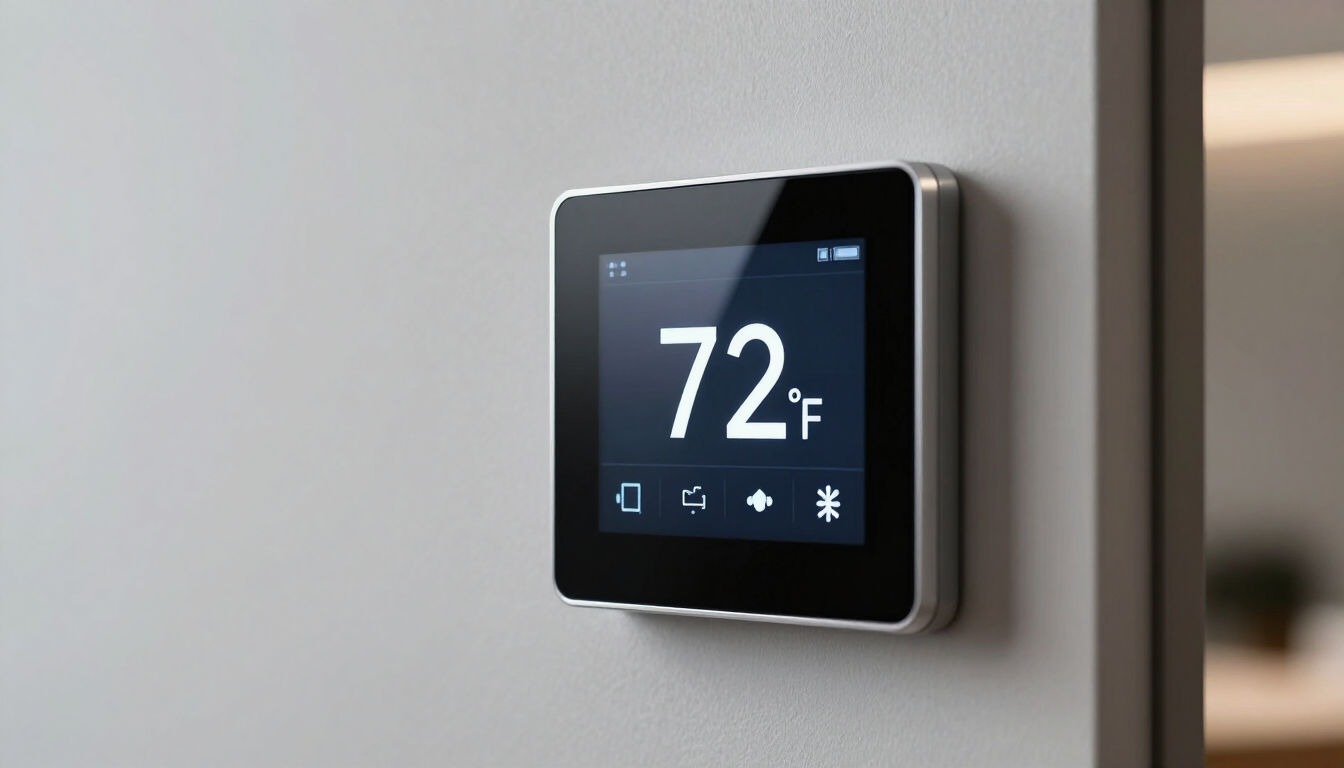
Sometimes the problem isn't the HVAC unit at all. If your thermostat is set to "On" instead of "Auto," the fan will blow air even when the cooling cycle isn't running, making it feel like the AC isn't working. Alternatively, the thermostat may need new batteries or a recalibration to accurately read the room temperature.
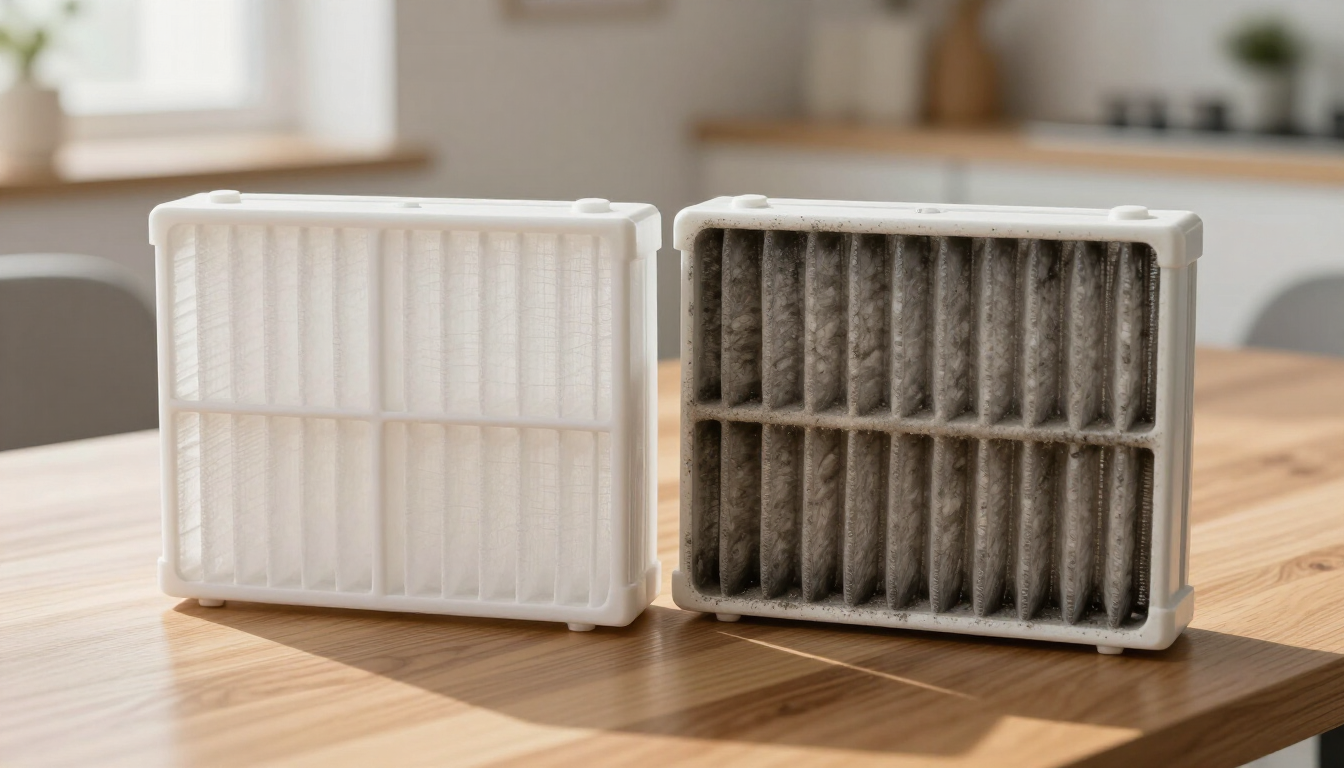
Is a dirty air filter causing my AC problem?
For many first-time homeowners, the air filter is an out-of-sight, out-of-mind component. However, in a city like Chicago, where seasonal pollen and urban dust are prevalent, filters can clog faster than the manufacturer's 90-day recommendation.
- Check your filter monthly: Especially if you have pets or allergies.
- Look for light: Hold the filter up to a light source; if you can't see light through it, it's time for a change.
- HEPA vs. Standard: Ensure you aren't using a filter that is too restrictive for your specific blower motor.
- The Cost Factor: A $15 filter can save you a $500 repair bill for a frozen coil.
- Efficiency Boost: Clean filters can improve energy efficiency by 5% to 15%.
How can I troubleshoot my AC before calling a pro?
Before scheduling an emergency service call, there are a few basic steps you can take to see if the issue is a simple fix. We recommend this checklist for any homeowner experiencing a sudden loss of cooling power:
- Check the Thermostat: Ensure it is set to "Cool" and the fan is on "Auto." Lower the setting by 5 degrees to see if the unit kicks on.
- Inspect the Air Filter: Replace it if it looks gray or dusty.
- Check the Circuit Breaker: Sometimes the outdoor unit trips its breaker while the indoor unit keeps running. Check your electrical panel.
- Clear the Outdoor Unit: Remove any debris, weeds, or branches within two feet of your condenser.
- Examine the Vents: Ensure that furniture or curtains aren't blocking the return or supply vents in your rooms.
If these steps don't resolve the issue, it’s likely an internal mechanical or electrical problem that requires a technician.
Signs You Need Professional Air Conditioner Repair in Chicago
Chicago summers can be brutal, and waiting too long to fix a minor issue can lead to a total system failure. You should contact an expert if you notice the following:
- Strange Noises: Grinding, squealing, or loud banging sounds coming from either unit.
- Foul Odors: Musty smells (mold in the ducts) or burning smells (electrical issues).
- Frequent Cycling: The AC turns on and off every few minutes without reaching the target temperature.
- High Humidity: If your home feels clammy despite the AC running, the system isn't properly dehumidifying.
- Spiking Energy Bills: A sudden increase in your ComEd bill often indicates a system struggling with an undiagnosed fault.
At D’s Air & Heating, we provide accurate diagnostics and honest pricing to ensure your system is restored to peak performance. You can read more about our service philosophy on our blog .
Why is the Chicago climate tough on AC systems?
Chicago’s weather is characterized by high humidity and extreme temperature swings. High humidity makes the air feel warmer than it is, forcing your AC to work harder to remove moisture. Furthermore, the "Windy City" often carries debris that can clog outdoor coils. Regular maintenance is not just a luxury here; it's a necessity to ensure your system can handle the 90-degree days with 80% humidity.
Why is regular HVAC maintenance so important?
Prevention is always more cost-effective than repair. By scheduling a seasonal tune-up, you address small issues like loose wires, slightly low refrigerant, or dirty coils before they cause a breakdown. A well-maintained system lasts 15-20 years, whereas a neglected one may fail in as little as 10 years.
Benefits of Annual AC Maintenance
- Extended System Life: Reduces wear and tear on the compressor.
- Lower Utility Bills: An efficient system uses less energy to cool the same space.
- Better Air Quality: Cleaning the system removes dust and allergens from the air path.
- Warranty Compliance: Many manufacturers require proof of annual service to honor parts warranties.
- Peace of Mind: Knowing your system won't quit during a heatwave.
Key Takeaways for Keeping Your Home Cool
If your AC is not cooling , the most likely culprit is a lack of airflow or a refrigerant issue. For first-time homeowners, the best course of action is to check your filter and thermostat settings immediately. If those are correct and the air remains warm, turn off the system to prevent further damage and call a licensed HVAC professional. Regular maintenance and prompt repairs are the keys to a comfortable, energy-efficient home throughout the Chicago summer.
- Action Plan: Change filters every 30-90 days and clear debris from the outdoor condenser.
- Expert Help: Don't DIY refrigerant or electrical components; it's dangerous and can void your warranty.
- Stay Proactive: Schedule your spring tune-up before the first heatwave hits.
- Monitor Performance: Watch for rising energy costs or new noises as early warning signs.
- Upgrade if Needed: If your system is over 15 years old and failing, consider a high-efficiency replacement.
By following these guidelines, you can ensure your cooling system remains a reliable asset for your home. For any assistance with furnace and AC repair, D’s Air & Heating is here to help Chicago residents stay comfortable year-round.
Recent Posts